SEO (Search Engine Optimization) is an area of digital marketing that focuses on improving your visibility in search engine results pages (SERPs). SEO aims to attract visitors to your website for the keywords you target. SEO is important for the music industry because it increases search visibility, traffic, brand awareness, and conversions. It includes practices like mobile optimization, on-page optimization, music video optimization, and link building. We explain everything in more detail below.
What Is SEO?
SEO (Search Engine Optimization) is an area of digital marketing that focuses on improving your visibility in search engine results pages (SERPs). SEO aims to attract visitors to your website for the keywords you target. SEO involves keyword research and optimization, creating content, optimizing your website’s technical performance and speed, building links to improve your authority in the niche, and more.
Why Does SEO Matter for the Music Industry?
SEO matters for the music industry because it helps musicians get discovered. The music industry has become increasingly digital, and search engines are often the first place people go to discover new artists or find information about musicians they’ve heard about.
Strong SEO practices help artists control their online narrative and ensure fans find official content rather than unofficial or outdated information. SEO for music includes optimizing official music websites, streaming platform profiles, and social media content with relevant keywords that fans search for.
Benefits of SEO for the Music Industry
We explain the benefits of SEO for the music industry below.
1. Higher Search Visibility
SEO elevates your music content in search engine rankings, which makes it easier for potential fans to discover your work. You gain a competitive advantage over other musicians when your artist name, song titles, and related content appear higher in Google results. This increased search visibility ensures your music reaches people who actively search for new artists in your genre.
2. Increased Traffic
Organic search traffic brings genuinely interested listeners to your music platforms and website. Unlike paid advertising, these visitors actively sought out content similar to yours, so they are more likely to engage meaningfully with your music. This targeted traffic often leads to longer listening sessions, playlist additions, and genuine fan connections that drive sustained growth.
3. Improved Awareness
SEO helps you reach audiences beyond your existing fanbase by appearing in searches for related artists, genres, or music topics. This broader visibility introduces your music to a wider base of listeners. Strategic keyword optimization allows you to connect with fans of similar artists. Optimization expands your reach organically across different demographics and geographic regions.
4. Higher Conversions
Fans who find your music through organic search demonstrate higher engagement rates and conversion potential. These listeners are more likely to stream full songs, follow your profiles, purchase merchandise, and attend live shows. The intent-driven nature of search traffic means these fans actively wanted to discover new music, which makes them valuable long-term supporters of your career.
How to Do SEO for Music: 8 Key Tips
We explain how to do SEO for music with 8 key tips.
1. Optimize Your Homepage
Your homepage serves as the central hub for information on your music. Include the essential sections we list below.
- About page with relevant keywords
- Tour dates for fresh content and local search
- Press description for media discovery
- Merchandise section for traffic and revenue
Create clear navigation with descriptive menu labels for each of these. Include contact information and links to social media profiles on the homepage.
2. Create Content
Write a musician bio with your target keywords. Add images and videos with descriptive titles that include keywords. Search engines read these titles. List all shows with full details (venue, date, ticket links, supporting acts). This creates fresh content and improves local search results. Upload press releases for credibility and media discovery. Add your music with descriptions. Include lyrics since fans search for them frequently.
Interlinking is the next step after content creation. Link related content together using hyperlinks and descriptive anchor text. For example, link press mentions to album pages. Internal links help search engines understand your site and keep visitors browsing longer.
3. Optimize for Mobile
Google uses mobile-first indexing, which means it primarily uses your mobile site version for ranking and indexing. Test your site on various devices to ensure proper functionality. Most websites are created on WordPress, which makes responsive, mobile-optimized design easy. WordPress themes typically include mobile preview options in the customizer.
Fast-loading mobile pages improve both user experience and search rankings. Key elements like contact forms, music players, and ticket purchase buttons must work seamlessly on mobile.
4. Claim Your Knowledge Panel
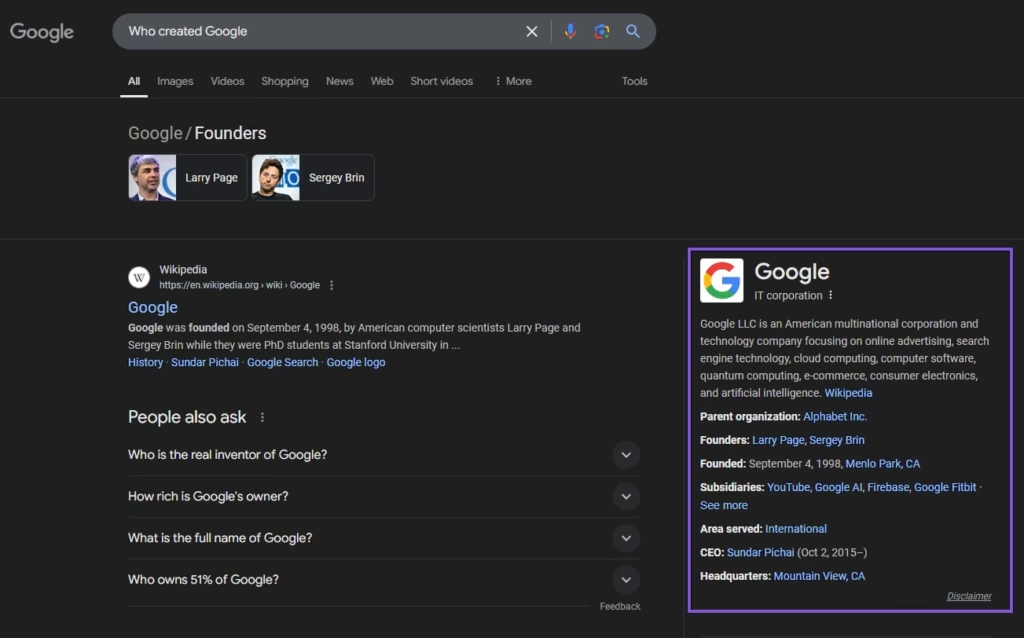
Knowledge panels are information boxes that appear on Google after people search for specific entities (organizations, people, companies). Google displays these panels on the right side of search results pages. Google creates these panels from its Knowledge Graph database. The panels contain summary information, images, links, and relevant details.
Musicians typically claim their knowledge panels through Google Search Console (GSC). This process lets them suggest corrections and updates to keep information current and accurate.
5. On-Page SEO
On-page SEO focuses on elements within your website that search engines evaluate. Start with meta titles and descriptions for each page. These appear in search results and influence click-through rates. Write unique titles under 60 characters and descriptions under 160 characters that include your target keywords naturally.
Add alt text to all images describing what they show. Search engines read this text to understand your visual content. Use descriptive phrases like “indie rock band performing live at venue name” rather than generic terms.
Compress images to reduce file sizes without losing quality. Large images slow page loading, which hurts search rankings. Tools like TinyPNG plugins handle compression automatically.
Structure your content with proper website headings (H1, H2, H3) to help search engines understand content hierarchy. Use one H1 per page for your main topic, then H2s for major sections. Include keywords in headings where they fit naturally.
On-page audit tools identify optimization opportunities across your site. Agencies provide comprehensive audits, but you can perform basic optimization yourself using free tools like Google Search Console or browser extensions that highlight missing elements.
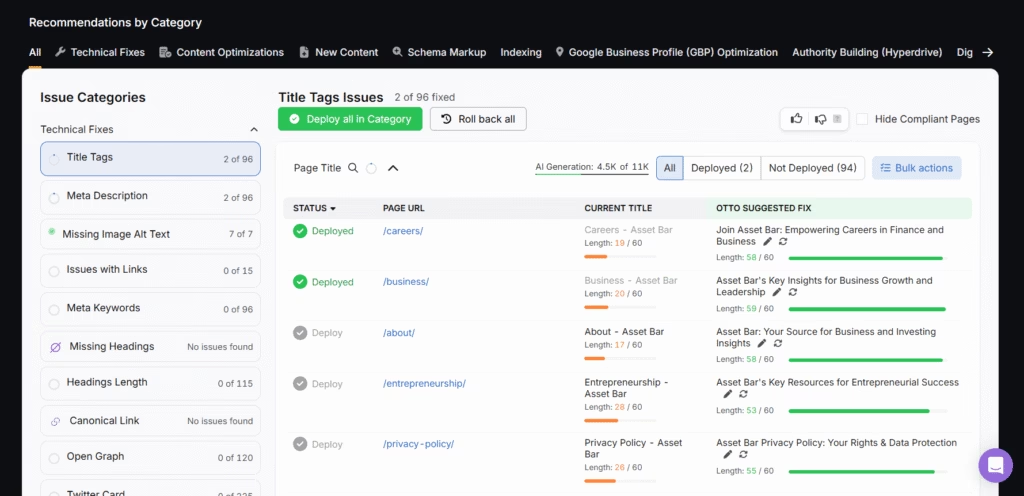
Search Atlas offers an AI agent OTTO SEO, which automates almost all SEO tasks with one click, including on-page and technical optimization. This makes it suitable for beginners or people who manage multiple websites.
6. Get Relevant Backlinks
Backlinks from other websites signal credibility to search engines and boost your rankings. Music blog reviews provide powerful backlinks that improve authority while reaching new audiences.
Don’t wait for perfect backlinks. Link your website from all social media profiles, streaming platforms, and sites where you have presence. Every connection creates pathways for search engines to find your content.
Request links whenever your band gets mentioned online. Contact blogs, podcasts, or websites featuring your music and ask them to include your website link. Most creators add links when asked politely.
Local venues, festivals, and collaboration partners offer additional opportunities. Ask them to link your website when mentioning performances or partnerships. These local connections help with geographic search results. For more extensive authority building, marketers use link building tools to save time.
7. Optimize Music Videos
Music video optimization helps your content reach wider audiences through search engines and YouTube’s algorithm. Strategic optimization increases visibility, drives engagement, and converts viewers into fans. We list elements of YouTube music video optimization below.
- Tags. Add relevant keywords, including band name, song title, lyrics people search for, genres, and content descriptions. YouTube auto-generates some tags, but manual additions improve targeting. Learn keyword research for YouTube videos.
- Views and Thumbnails. Choose compelling thumbnails that visually represent your video content. Higher view counts signal authority to search engines and improve future rankings.
- Ratings and Engagement. Focus on titles, descriptions, and tags to encourage positive ratings and comments that boost search performance.
- Call-to-Actions. Include one clear CTA per video directing viewers to your desired action: website visits, merchandise purchases, or streaming platform follows.
- End Screens. Use templates that suggest the next videos and provide subscribe opportunities. These keep viewers on your channel longer and build a subscriber base.
- Playlists. Organize singles, EPs, and albums into playlists.
- Community Management. Actively engage with fans through YouTube’s community tab. Post messages, share photos, and respond to comments to maintain active audience engagement.
8. Connect Your Site to Google Search Console and Google Analytics
Google Search Console shows how your music website performs in search results, revealing which keywords bring visitors and identifying technical issues that hurt rankings. Google Analytics (GA4) tracks visitor behavior, showing which pages fans visit most and how they navigate your site. Together, these free tools provide essential data for improving your SEO strategy and understanding your audience.
Optimize Easily With Search Atlas AI Tools
Automation tools make SEO accessible for musicians without technical expertise. Automation platforms like Search Atlas automatically generate optimized content, suggest relevant keywords, and identify improvement opportunities. AI tools democratize SEO, letting musicians focus on creating music while maintaining strong online visibility and discoverability. Explore the tools with a 7-day free trial. Cancel anytime.